

What Makes an Effective Dressage Rider?
The first question we tackle is: What is an effective rider? It’s not just about using forceful aids or being overly aggressive; it’s about subtle, invisible aids that create harmony between the rider and the horse.
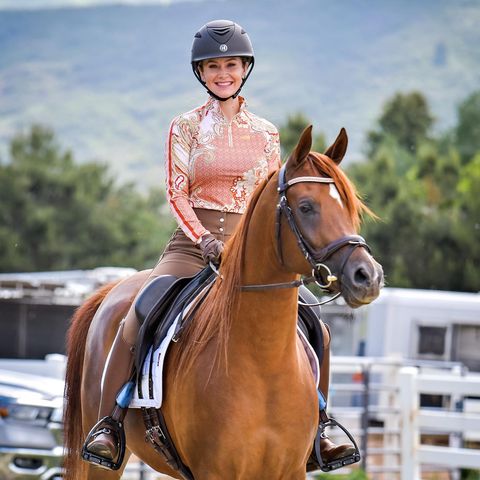
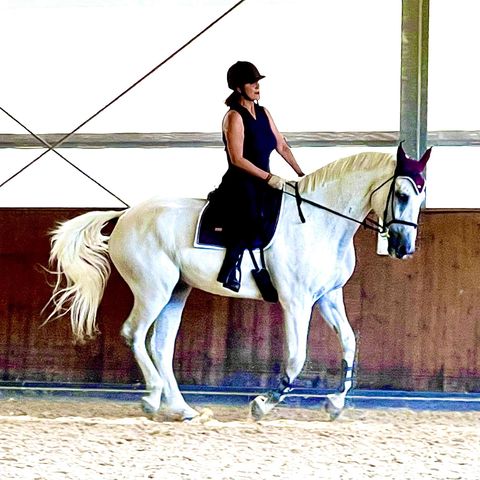
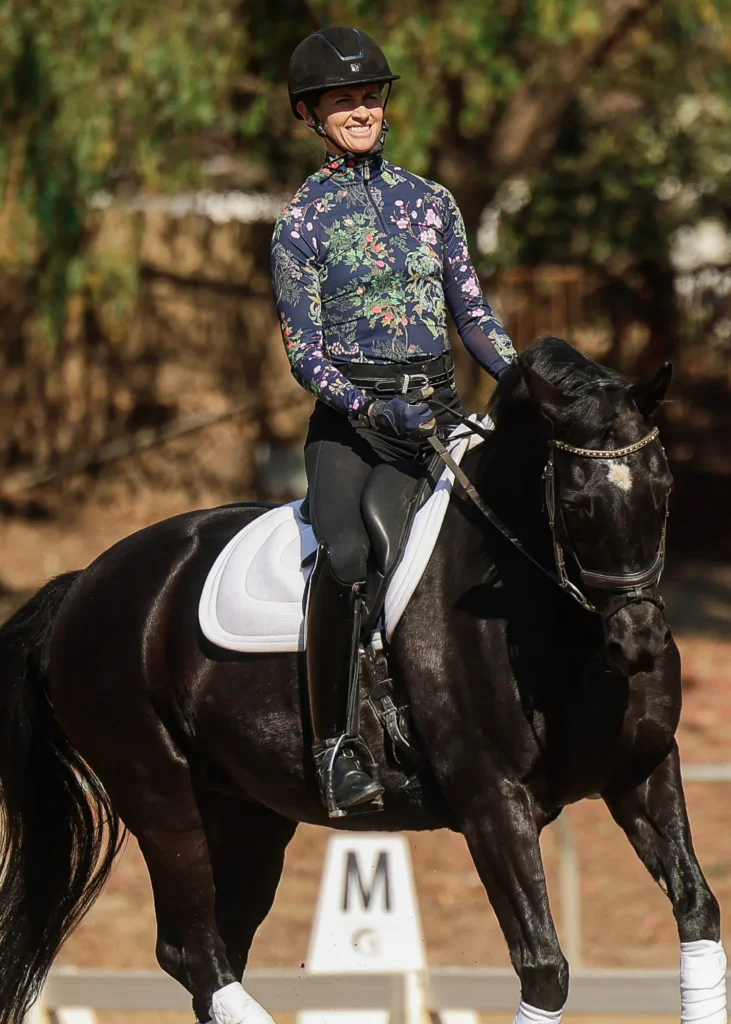
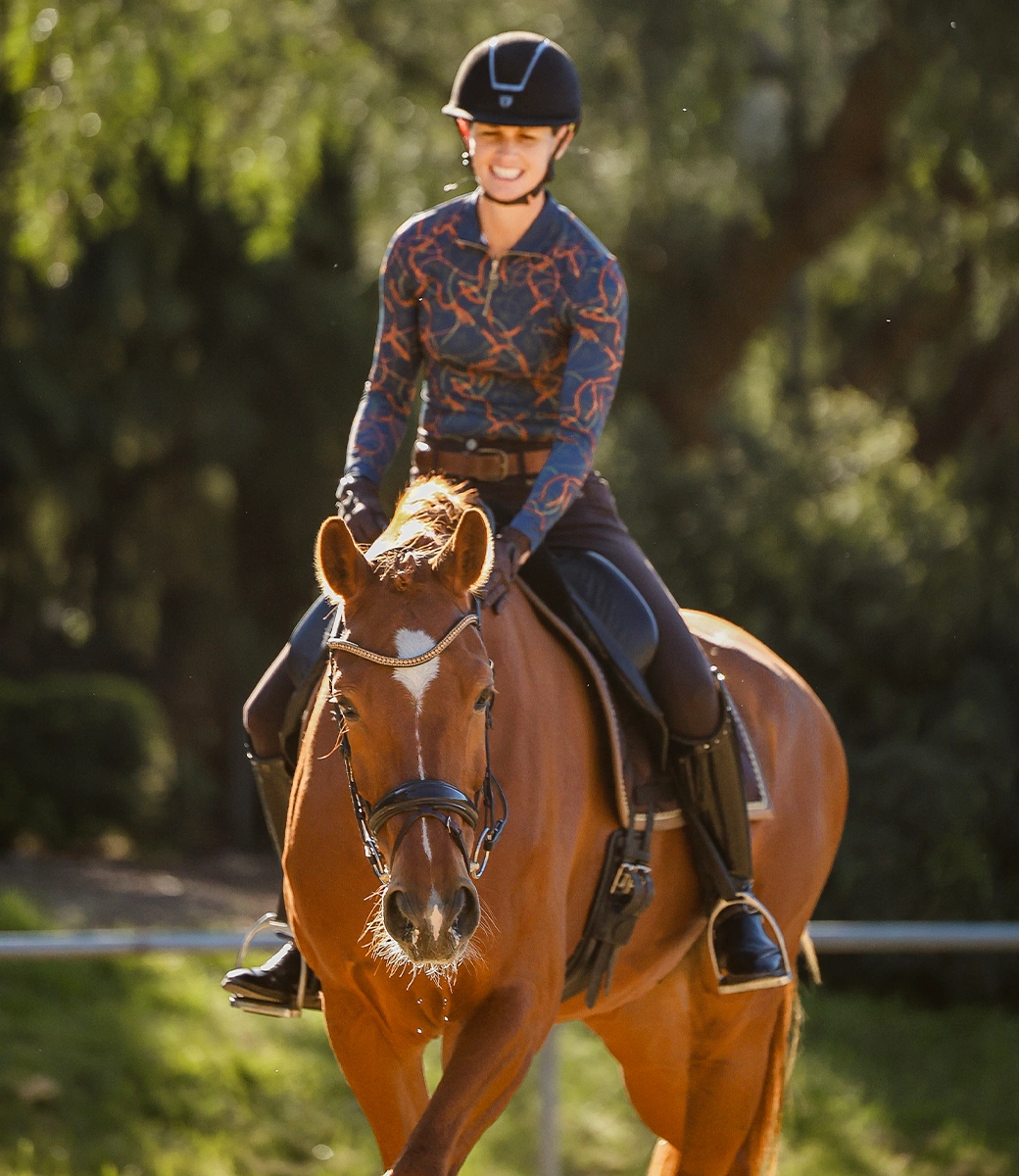
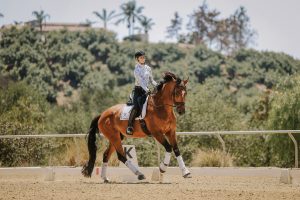
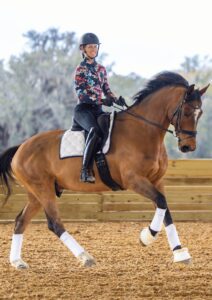
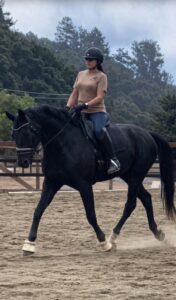
Effective riders, like Catherine Dufour, exemplify a smooth and harmonious relationship with their horse. Their aids are barely visible, and the horse looks relaxed, confident, and responsive. The rider is in the correct position and uses soft but clear aids to guide the horse. Clear communication with your horse is the foundation of effective riding, and a rider’s ability to convey what they want is an essential skill.
The Object of Dressage
The object of dressage is to develop your horse into a happy athlete through harmonious education. As riders, we aim for a horse that is:
- Calm, supple, loose, and flexible
- Confident, attentive, and willing
- Engaged and responsive to subtle aids
Dressage is about creating freedom and regularity in your horse’s movements, while maintaining lightness and engagement. It’s important that both you and your horse feel connected and in sync.
Rider Position: The Foundation for Effective Riding
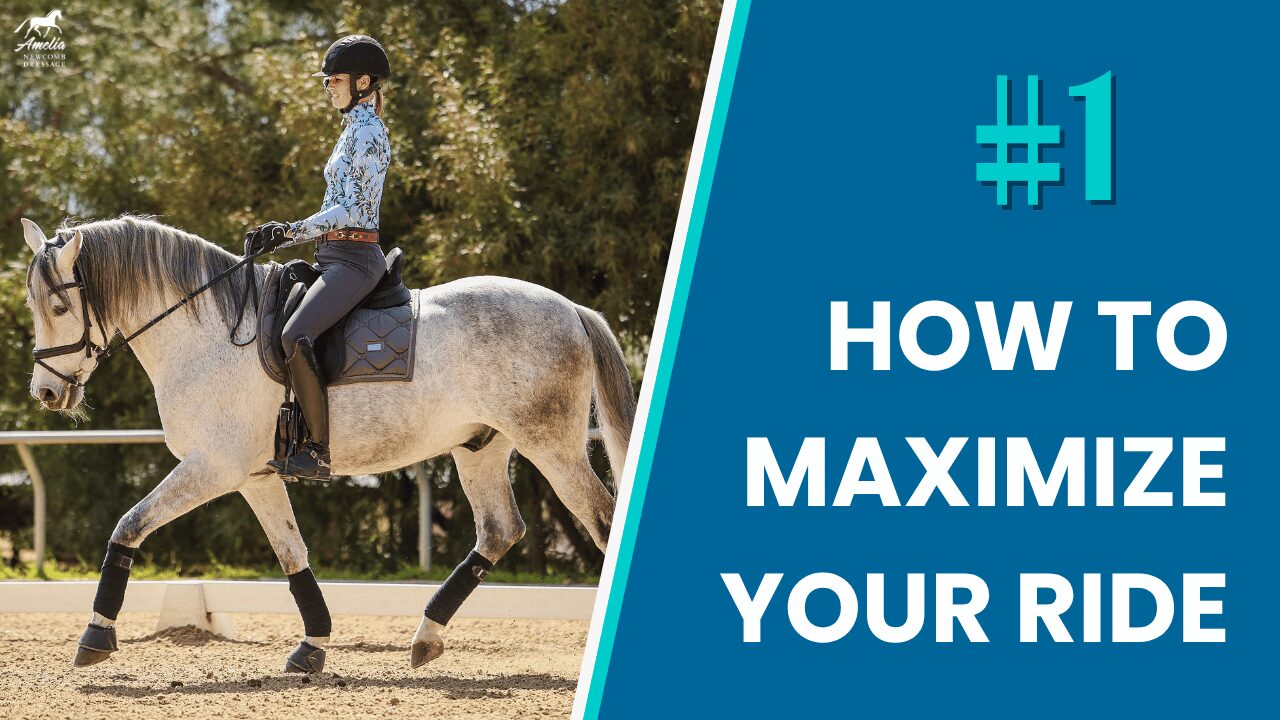
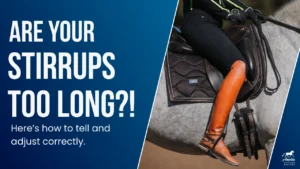
Your rider position is crucial to being effective. Without the correct position, you can’t use your aids properly. Your alignment—ear, shoulder, hip, and heel—is the starting point. If you’re out of alignment, your aids will be ineffective, and you may cause unnecessary tension for both you and your horse.
Common Position Issues:
- Misalignment: Leaning forward or sitting too far back can throw off your balance.
- Straight arms: Riding with straight arms creates tension. Instead, allow your elbows to soften and follow the horse’s motion.
- Symmetry: Most riders have asymmetries (e.g., one leg longer or a tighter hip). Be mindful of these and work to balance them for effective communication with your horse.
Understanding the Aids
There are three primary sets of aids:
- Legs: These are the driving aids, used to move your horse forward.
- Hands: The containing aids, used for shaping and slowing down the horse.
- Seat: The translator, ensuring that the horse responds to the combined leg and hand aids in harmony.
Effective use of these aids requires timing, balance, and feel. Your seat absorbs the motion of the horse’s back, ensuring your aids are communicated smoothly without disrupting the horse’s natural movement.
Driving Aids and the “Boiled Frog” Analogy
A common mistake riders make is nagging their horse with escalating aids until they become desensitized, a phenomenon we call the “boiled frog syndrome”. Just like a frog in slowly warming water, your horse may eventually stop responding to your aids if you keep increasing their intensity gradually. Instead, start with a light aid (like a whisper) and, if the horse doesn’t respond, escalate quickly to a firmer aid.
The goal is for your horse to respond to the lightest possible aid. If your horse doesn’t respond to your initial request, don’t keep nagging—instead, repeat quickly and with more insistence, then return to a light aid once your horse reacts.
The Importance of Fitness
Your physical fitness plays a huge role in your riding position. The more control you have over your body, the more effective you’ll be as a rider. This is especially important for rider symmetry—whether you’re sitting in a chair or riding, being aware of how you use your body can help you maintain a more balanced and effective position.
Incorporating off-horse fitness (stretching, strength training, etc.) will help you improve your riding posture and body control. Whether you are short or tall, the basic principles of position still apply. You just need to adjust how you use your legs, arms, and seat to achieve the correct position.
Half-Halts: Timing is Key
The half-halt is a tool used to collect energy and prepare your horse for a transition or change in direction. An effective half-halt requires an almost simultaneous balance of seat, leg, and hand aids. It’s essential that you apply your half-halt in rhythm with the horse’s movements, ensuring your aids are clear and precise.
The goal of the half-halt is not to diminish energy but to collect and redirect it. If your horse doesn’t respond, you may need to adjust the intensity of your aid and ensure your timing is correct.
The Dressage Training Scale
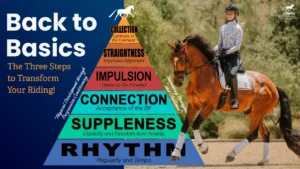
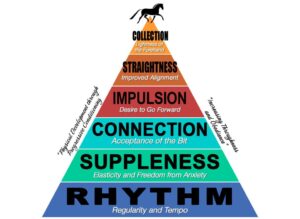
The Dressage Training Scale provides a roadmap for your riding journey. It starts with rhythm and suppleness, progresses through connection, impulsion, straightness, and culminates in collection. By understanding the training scale and working on each level, you ensure that your horse is physically and mentally prepared for higher-level movements.
This system applies to every level of dressage, from training level to Grand Prix. The key is to build solid foundations in rhythm and suppleness before progressing to more advanced movements like leg yields, pirouettes, or flying changes.
Horsemanship: Understanding Your Horse
Effective horsemanship is about understanding your horse and communicating in a way that makes sense to them. This involves understanding horse behavior, being aware of their sensitivity, and knowing when to be firm or soft in your approach. Remember, horses are willing animals—they’re not trying to be naughty. If they’re not responding, it’s usually because you’re not communicating effectively.
The Mindset of an Effective Rider
Your mindset is critical to becoming an effective rider. Negative emotions like fear, anger, and frustration can hinder your progress, while positive emotions like confidence, patience, and gratitude can enhance your communication with your horse. Horses are incredibly sensitive to your emotions, so a positive mindset will help foster a stronger, more harmonious partnership.
Conclusion: Striving for Self-Carriage
The ultimate goal of becoming an effective rider is achieving self-carriage. This is when your horse carries themselves with ease, without needing constant reinforcement from your aids. You should strive for moments where your horse responds to the lightest possible aids, and you can just enjoy the connection and movement.
As you work toward self-carriage, keep in mind the basic principles of rider position, timing, balance, feel, and understanding your horse’s needs. It’s a journey of continuous learning, but the rewards are worth it!
P.S. If you want to accelerate your progress, consider checking out Amelia’s Rider Position Blueprint Course for in-depth guidance and exercises to improve your riding!